Age Verification

Are you over 18 years old?
This website requires you to be 18 years or older to enter our website and see the content.
Are you over 18 years old?
This website requires you to be 18 years or older to enter our website and see the content.
Your access is restricted because of your age.

No products in the cart.
Return To Shop
No products in the cart.
Return To Shop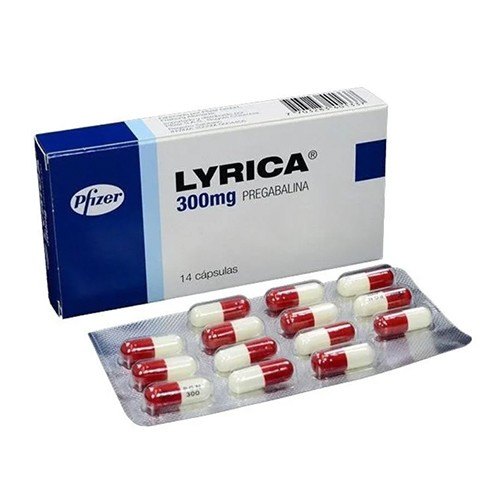
Pregabalin, better known as Lyrica, has become a mainstay for neuropathic pain in the UK since its approval in 2004. It works by binding to calcium channels in your nervous system, dialing down pain signals and bringing relief for issues like diabetic neuropathy, postherpetic neuralgia, and fibromyalgia.
Knowing how pregabalin works, what it offers, its risks, and how much it costs can help you make smarter choices about your treatment. Clinical studies say pregabalin can improve sleep and reduce neuropathic pain at doses of 300 mg or higher, but its effects on anxiety and depression aren’t always consistent across different people.
Doctors usually start you on a lower dose and increase it based on how you respond and what you can tolerate. Outcomes depend on the dose, though higher doses often aren’t needed for long-term pain control for many folks.
Pregabalin prices in the UK depend on the strength and form you need. You can get it in capsules ranging from 25 mg to 300 mg, or as an oral solution.
It’s now a controlled substance in the UK due to worries about misuse. Because of this, doctors have become more cautious, and they’ll weigh up whether pregabalin fits your situation before prescribing it.
Pregabalin brings real benefits for several neuropathic pain conditions, and its effectiveness depends on the dose. It’s now a go-to option for diabetic neuropathy, postherpetic neuralgia, and fibromyalgia.
In the UK, pregabalin (sold as Lyrica, Lecaent, and Alzain) is approved for three main uses: neuropathic pain, generalised anxiety disorder, and as an add-on for epilepsy.
It specifically targets central and peripheral neuropathic pain. Doctors may prescribe it for diabetic neuropathy, postherpetic neuralgia (PHN), and trigeminal neuralgia.
Pregabalin falls under the gabapentinoid class. It’s a Class C controlled substance and Schedule 3 drug here, so prescribers have to follow certain rules when writing scripts.
Your treatment will be tailored to your needs, with doses adjusted based on your condition and how you respond. Research suggests you usually don’t need to go above certain doses for good long-term control.
Both pregabalin and gabapentin are gabapentinoids with similar ways of working. Still, pregabalin has a few advantages over gabapentin in practice.
Pregabalin absorbs more predictably and has linear pharmacokinetics, so your body handles it more consistently. You often reach a therapeutic dose within days, while gabapentin can take weeks.
The dosing is simpler with pregabalin usually twice daily whereas gabapentin often needs to be taken three times a day. That might make it easier to stick to your regimen.
Studies show pregabalin can bring pain relief at lower doses than gabapentin, and you might notice results faster. But, as always, your experience may vary depending on your condition.
Randomised controlled trials back up pregabalin’s ability to reduce neuropathic pain. Meta-analyses confirm that pain scores drop significantly across different nerve pain conditions.
But it’s not just pain quality of life can get a boost too. People on pregabalin often report better sleep, improved daily functioning, and an overall lift in well-being.
Pregabalin has anti-hyperalgesic properties, so it can help with the abnormal pain sensitivity that comes with neuropathic issues.
Some key quality of life improvements:
It’s especially effective for neuropathic cancer pain, targeting nerve damage directly rather than just covering up symptoms.
For peripheral neuropathy, pregabalin targets pain from damaged nerves. It aims at the underlying nerve problem instead of just masking the pain.
People with diabetic neuropathy often respond well to pregabalin. Studies show pain can drop sometimes within the first week if you’re on the right dose.
Postherpetic neuralgia, the lingering pain after shingles, is another area where pregabalin shines. Studies show it can reduce pain more than placebo in PHN patients.
For fibromyalgia, pregabalin is approved in the UK and elsewhere. It can reduce widespread pain, improve sleep, and help you get through the day. It works on the central pain processing issues that come with fibromyalgia.
In UK primary care, doctors sometimes use lower-than-recommended doses. It’s important for your prescriber to follow dosing guidelines for the best results and to watch for side effects.
Pregabalin binds to the α2δ subunit of voltage-gated calcium channels in your central nervous system. By doing this, it lowers the release of certain excitatory neurotransmitters. It also stands out from other gabapentinoids because your body absorbs it almost completely and in a linear way.
Despite looking a bit like GABA, pregabalin doesn’t interact with GABA receptors. Instead, it binds tightly to the α2δ subunit of voltage-gated calcium channels in your brain and spinal cord.
This action reduces calcium coming into nerve terminals. With less calcium, your nerves release fewer excitatory neurotransmitters like glutamate and norepinephrine, making neurons less excitable.
That’s why pregabalin works for several conditions. For epilepsy, it helps prevent the overactive firing that causes seizures. In neuropathic pain, it calms down the excessive pain signals from damaged nerves.
Pregabalin is absorbed well about 90% bioavailability no matter what dose you take. Its absorption is linear, so higher doses mean more in your bloodstream, in a predictable way.
Your body absorbs it quickly, usually peaking in your blood 1.5 hours after taking it. It doesn’t bind much to plasma proteins and crosses the blood-brain barrier easily.
Most of the drug leaves your body unchanged through your kidneys about 98%. If you have kidney problems, your doctor will likely adjust your dose. The half-life averages around 6.3 hours, so most people take it twice a day.
![Adderall 7.5mg [ Buy Adderall 7.5mg Online ] Buy Zolpidem Online | Buy Methadone Online | Buy Methylphenidate Online | Buy Percocet Online | Buy Phentermine Online | Buy Pregabalin Online | Buy Provigil Online](https://adhdmedication.shop/wp-content/uploads/2026/07/adderall7_5mg.jpg)
![Adderall 30mg [ Buy Adderall 30mg Online ] Buy Tramadol Online | Buy Valium Online | Buy Xanax Online | Buy Zolpidem Online | Buy Ritalin Online](https://adhdmedication.shop/wp-content/uploads/2026/07/AdderallXR30mg-1.jpg)
![Adderall 7.5mg [ Buy Adderall 7.5mg Online ] Buy Zolpidem Online | Buy Methadone Online | Buy Methylphenidate Online | Buy Percocet Online | Buy Phentermine Online | Buy Pregabalin Online | Buy Provigil Online | Adderall XR 10mg | Buy Adipex Online | Buy Alprazolam Online | Buy Ambien Online | Buy Ativan Online | Buy Belbien Online | Buy Butalbital Online | Buy Clonazepam Online | Buy Concerta Online | Buy Diazepam Online | Buy Farmapram Online | Buy Fioricet Online | Buy Gabapentin Online | Buy Klonopin Online | Buy Ksalol Online | Buy Lorazepam Online | Buy Lunesta Online | Buy Methadone Online | Buy Methylphenidate Online | Buy Percocet Online | Buy Phentermine Online | Buy Pregabalin Online | Buy Provigil Online | Buy Restoril Online | Buy Ritalin Online | Buy Soma Online | Buy Tapentadol Online | Buy Tramadol Online | Buy Valium Online | Buy Xanax Online | Buy Zolpidem Online | Adderall XR 15mg | Buy Adderall XR 20mg Online | Buy Clonazepam 2mg Online | Buy Alprazolam 2mg Online | Buy Alprazolam 1mg Online | Buy Alprazolam 0.5mg Online ] Alprazolam 0.25mg [ Buy Alprazolam 0.25mg Online ] ADHD Pills | Diazepam 10mg | Buy Diazepam 10mg Online | ADHD Medication | Diazepam 2mg [ Buy Diazepam 2mg ] Where to buy Diazepam | Buy Xanax Near Me](https://adhdmedication.shop/wp-content/uploads/2026/07/Diazepam2mg.jpg)
![Adderall XR 10mg [ Buy Adderall XR 10mg Online ] Buy Provigil | Buy Lorazepam Online | Buy Lunesta Online | Buy Methadone Online | Buy Methylphenidate Online | Buy Lorazepam Online | Buy Lunesta Online | Buy Methadone Online | Buy Methylphenidate Online | Buy Percocet Online | Buy Phentermine Online | Buy Pregabalin Online | Buy Provigil Online | Buy Restoril Online | Buy Ritalin Online](https://adhdmedication.shop/wp-content/uploads/2026/07/AdderallXR10mg-1.jpg)
$35.00 – $625.00Price range: $35.00 through $625.00
$337.00 – $847.00Price range: $337.00 through $847.00
![Adderall 5mg [ Buy Adderall 5mg Online ] Buy Concerta Online | Buy Diazepam Online | Buy Farmapram Online | Buy Fioricet Online | Buy Clonazepam Online](https://adhdmedication.shop/wp-content/uploads/2026/07/Adderall5mg.jpg)
![Adderall 7.5mg [ Buy Adderall 7.5mg Online ] Buy Zolpidem Online | Buy Methadone Online | Buy Methylphenidate Online | Buy Percocet Online | Buy Phentermine Online | Buy Pregabalin Online | Buy Provigil Online | Adderall XR 10mg | Buy Adipex Online | Buy Alprazolam Online | Buy Ambien Online | Buy Ativan Online | Buy Belbien Online | Buy Butalbital Online | Buy Clonazepam Online | Buy Concerta Online | Buy Diazepam Online | Buy Farmapram Online | Buy Fioricet Online | Buy Gabapentin Online | Buy Klonopin Online | Buy Ksalol Online | Buy Lorazepam Online | Buy Lunesta Online | Buy Methadone Online | Buy Methylphenidate Online | Buy Percocet Online | Buy Phentermine Online | Buy Pregabalin Online | Buy Provigil Online | Buy Restoril Online | Buy Ritalin Online | Buy Soma Online | Buy Tapentadol Online | Buy Tramadol Online | Buy Valium Online | Buy Xanax Online | Buy Zolpidem Online | Adderall XR 15mg | Buy Adderall XR 20mg Online | Buy Clonazepam 2mg Online | Buy Alprazolam 2mg Online | Buy Alprazolam 1mg Online | Buy Alprazolam 0.5mg Online ] Alprazolam 0.25mg [ Buy Alprazolam 0.25mg Online ] ADHD Pills | Diazepam 10mg | Buy Diazepam 10mg Online | ADHD Medication | Diazepam 2mg [ Buy Diazepam 2mg ] Where to buy Diazepam | Buy Xanax Near Me | Percocet 5mg/325mg | Buy Percocet 5mg/325mg Online](https://adhdmedication.shop/wp-content/uploads/2026/07/Percocet5_325mg.jpg)
Reviews
There are no reviews yet.